Featured
Professional Guidance Protects Your Property - Truths
Table of Contents
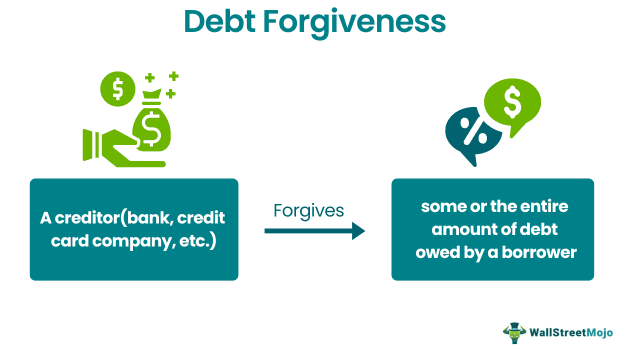
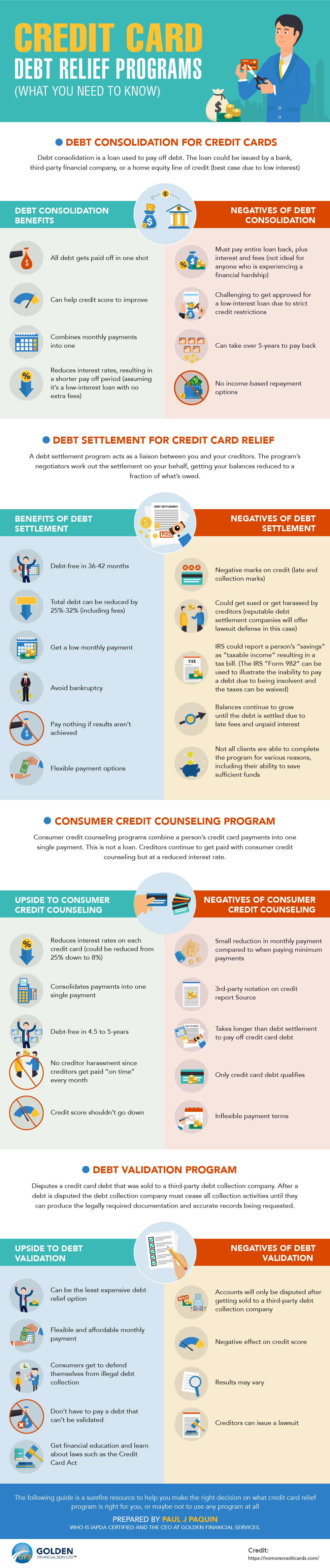
That releases up money in the short-term, and you may have three to four years to save toward the negotiation amount. Very damaging to credit rating, largely because of missed out on settlements and an adverse "resolved" mark that might remain on your credit report for approximately 7 yearsMay be just alternative if other alternatives (debt consolidation, balance transfer bank card, financial obligation forgiveness) aren't possibleTypically requires a cost to the 3rd event, which can counter some or every one of the cost savings from debt settlementMay assist you avoid insolvency if you've missed out on a number of paymentsNot all lenders collaborate with financial debt settlement firms Debt forgiveness might be ideal for you if you are experiencing a financial difficulty that makes it virtually impossible to pay down your debt equilibriums.

With a DMP, you make one month-to-month payment to the credit history counseling firm. Those funds are after that dispersed to creditors of your unprotected financial obligations, such as charge card and installment lendings. The firm collaborates with your financial institutions to lower rate of interest or forgo fees, however some creditors might decline such concessions.
A debt combination funding combines your eligible financial obligations right into one brand-new funding. It can assist you pay for debt if you're able to safeguard a car loan rate that's lower than the typical price of the accounts you're combining. You should abstain from racking up debt on those freshly gotten rid of accounts or your debt can grow also higher.
That offers you plenty of time to remove or dramatically reduce your balance while making interest-free payments.
10 Easy Facts About New Regulations Impacting Bankruptcy Availability Shown
You might need it if your creditor or a collection agency ever attempts to gather on the financial debt in the future. When a lending institution forgives $600 or more, they are called for to send you Type 1099-C.
Financial debt forgiveness or negotiation often harms your credit scores. Anytime you work out a financial obligation for less than you owe, it may look like "cleared up" on your debt report and influence your credit history rating for 7 years from the date of settlement. Your debt can also drop substantially in the months causing the mercy if you fall back on payments.
The smart Trick of Legal Changes That Could Transform Bankruptcy Availability That Nobody is Discussing
This scenario commonly results from underreporting earnings, not submitting returns on time, or disparities located throughout an IRS audit. The repercussions of collecting tax obligation financial debt are serious and can consist of tax obligation liens, which provide the IRS a lawful insurance claim to your home as safety and security for the financial debt.
Greater rates of interest on offered credit score. Wages and Bank Accounts internal revenue service can impose (take) salaries and checking account to please the financial obligation. Lowered earnings and interruption of vital financial processes. Property Seizure In extreme instances, the IRS can confiscate and offer property to cover the debt. Loss of beneficial properties and possible variation.
Social Preconception Facing legal action from the Internal revenue service can lug social stigma. Employment Opportunities A poor credit scores score due to strain financial obligation can limit employment possibilities. Federal government Benefits Tax financial obligation might influence qualification for federal government benefits, such as Social Security and Medicaid.
Compliance Considerations Related to How Credit Counseling Helps You Prepare for Possible Income Drops or Layoffs - An Overview
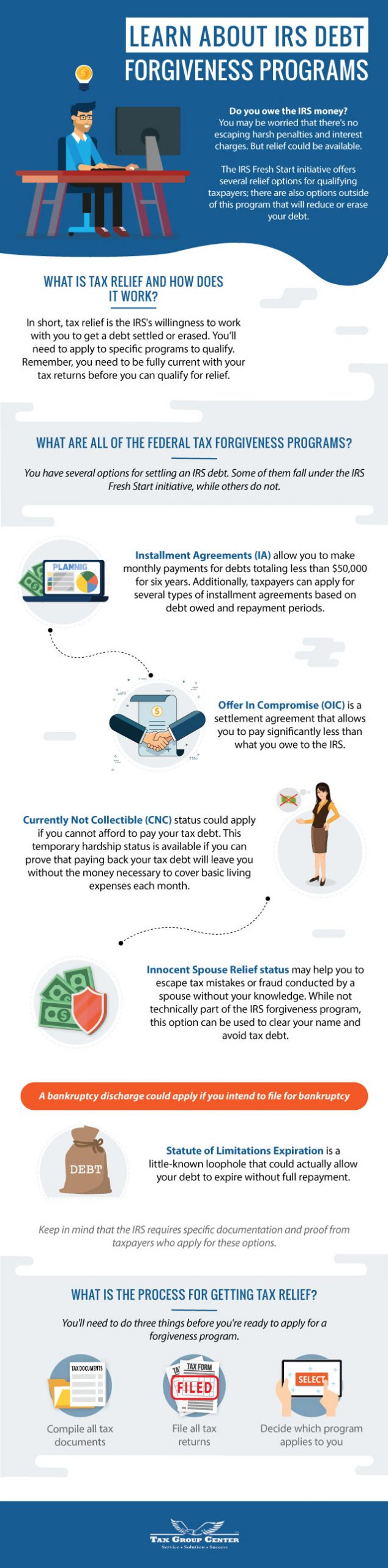
The OIC thinks about several factors, including the taxpayer's income, costs, property equity, and capacity to pay. Successfully discussing an OIC can be intricate, needing a complete understanding of the IRS's guidelines and a strong debate for why your offer aligns with your ability to pay. It is very important to note that not all applications are accepted, and the procedure requires comprehensive monetary disclosure.
The IRS assesses your overall financial scenario, including your earnings, expenses, asset equity, and capability to pay. You have to also be existing with all declaring and settlement demands and not be in an open personal bankruptcy proceeding. The internal revenue service also considers your conformity background, assessing whether you have a document of prompt declaring and paying taxes in previous years.
All about Unexpected Charges to Avoid
The application process for a Deal in Compromise includes numerous detailed steps. First, you should complete and submit internal revenue service Type 656, the Offer in Compromise application, and Form 433-A (OIC), a collection information statement for people. These kinds call for detailed financial information, consisting of details concerning your revenue, debts, expenses, and possessions.
Back tax obligations, which are unpaid taxes from previous years, can significantly raise your overall internal revenue service financial obligation if not dealt with without delay. This financial debt can build up passion and late repayment fines, making the initial quantity owed much bigger gradually. Failure to repay taxes can result in the IRS taking enforcement actions, such as issuing a tax lien or levy against your residential property.
It is important to attend to back tax obligations as quickly as feasible, either by paying the sum total owed or by organizing a layaway plan with the internal revenue service. By taking aggressive actions, you can stay clear of the build-up of extra passion and penalties, and avoid a lot more aggressive collection activities by the IRS.
One usual factor is the belief that the taxpayer can pay the total either as a round figure or with a layaway plan. The internal revenue service also takes into consideration the taxpayer's earnings, expenses, property equity, and future earning potential. If these factors show that the taxpayer can manage to pay greater than the supplied amount, the IRS is most likely to decline the offer.
Some Of Financial Consequences What You'll Pay for How Credit Counseling Helps You Prepare for Possible Income Drops or Layoffs
It is vital to supply precise and complete information in your application and to speak with a tax specialist to boost the chances of acceptance. Handling IRS financial obligation can be complex and difficult. Tax experts, such as CPAs, tax obligation attorneys, or registered representatives, can give very useful assistance. They have the experience to browse the details of tax obligation regulation and IRS procedures.

Table of Contents
Latest Posts
Unsecured Debt How Housing Counselors Help You Understand Your Mortgage Statement and Escrow Made Simple Fundamentals Explained
The Ultimate Guide To First Assessment and What to Bring

How New Platforms Makes Debt Relief Easier - Questions
More
Latest Posts
Unsecured Debt How Housing Counselors Help You Understand Your Mortgage Statement and Escrow Made Simple Fundamentals Explained
The Ultimate Guide To First Assessment and What to Bring
How New Platforms Makes Debt Relief Easier - Questions